Your content goes here. Edit or remove this text inline or in the module Content settings. You can also style every aspect of this content in the module Design settings and even apply custom CSS to this text in the module Advanced settings.
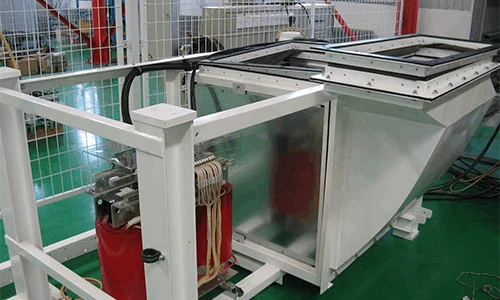
Working principle of converter
A converter is a device that can convert high or low voltage into a corresponding high or low current. It can effectively convert one voltage into another voltage, and it can also convert one current into another current. The working principle of the converter is mainly divided into three parts: power conversion, voltage regulation and current regulation.
First, the power conversion of the converter, which is the core function of the converter, regulates the voltage through a motor or a frequency converter, and converts high or low voltage into a corresponding high or low current. The frequency converter mainly changes the voltage by changing the frequency, thereby changing the current. The motor changes the voltage by controlling the speed of the rotor, thereby changing the current.
Secondly, the converter also has a voltage regulation function. It can convert high or low voltage into a corresponding high or low current, thereby achieving the purpose of regulating voltage. Generally speaking, voltage regulation is achieved through a frequency converter, which can adjust the size of the voltage, thereby changing the size of the current.
Finally, the converter also has a current regulation function, which can adjust the size of the current, thereby changing the size of the voltage. Current regulation is mainly achieved through a frequency converter, which can adjust the size of the current, thereby changing the size of the voltage.
In summary, the working principle of the inverter is realized through three parts: power conversion, voltage regulation and current regulation. It can convert high or low voltage into corresponding high or low current, thereby adjusting the size of voltage and current. The use of inverters can greatly improve the power efficiency of electrical appliances, making the use of electrical appliances safer and more efficient.
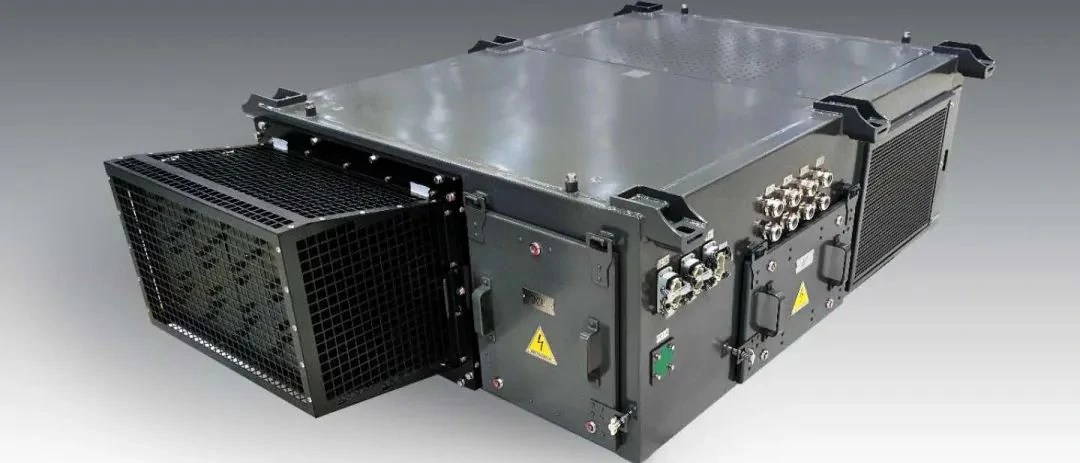
Classification of converters
According to different application requirements, converters can be classified in different ways. The following are several common classification methods:
- Classification by input and output method
DC-AC Inverter: This is the most common type of converter, widely used in solar power generation, wind power generation, UPS power supply, electric vehicles and other fields. It converts DC power into AC power.
AC-DC Rectifier: Mainly used to convert AC power into DC power, commonly used in the power rectifier part of power electronic equipment, such as battery chargers, power transmission systems, etc.
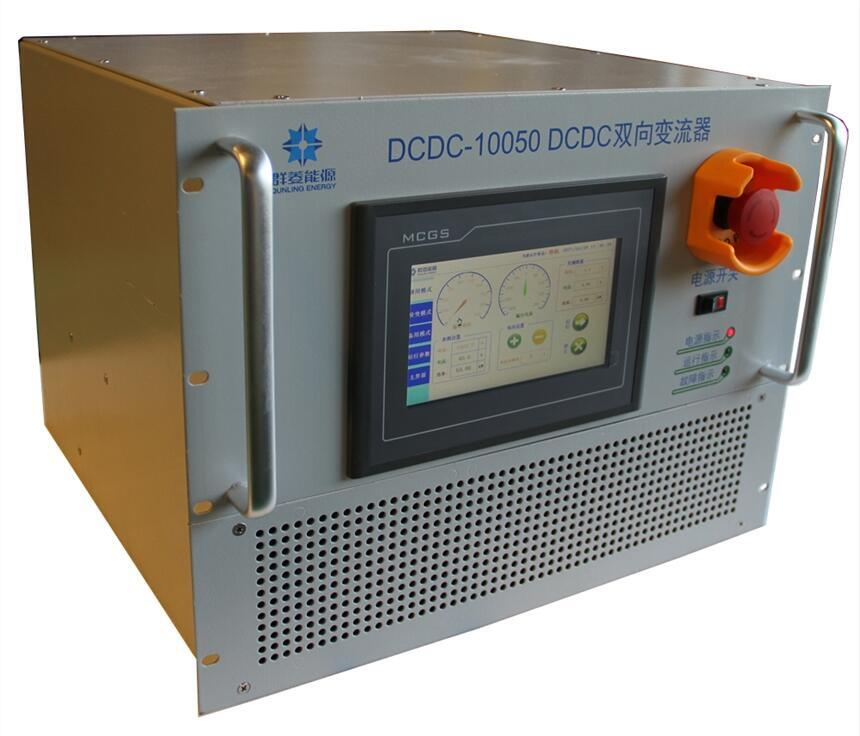
DC-DC Converter: Used to change the voltage of DC power, commonly used in applications such as electric vehicles and battery management systems. According to voltage rise and fall, it can be divided into boost and buck converters.
AC-AC Converter: Changes the output voltage and frequency by controlling the frequency or amplitude of AC power, commonly used in variable frequency speed regulators and motor control. - Classification by output waveform
Sine wave converter: The output waveform is close to the ideal sine wave, and is widely used in occasions requiring high-quality power supply, such as photovoltaic systems and precision power control systems.
Square wave converter: The output waveform is square. Although the cost is low, it will produce greater harmonic pollution and is suitable for some applications that do not require high power quality.
Improved sine wave converter (modified sine wave): The output waveform is a trapezoidal wave, which is between a square wave and a sine wave, and is suitable for some household appliances and other applications.
Main technical features of converters
- Efficiency
The efficiency of a converter is an important indicator of its performance, usually expressed as the ratio of output power to input power. An efficient converter can reduce energy loss and improve the overall energy efficiency of the system. When designing, selecting low-loss switching elements and optimizing circuit layout are the key to improving efficiency. - Switching frequency
The switching frequency of the converter determines its dynamic response speed and the quality of the output waveform. A higher switching frequency usually means a smoother output waveform, but it also brings higher switching losses. Therefore, choosing a suitable switching frequency is crucial to the performance of the converter.
- Control method
The control methods of the converter mainly include the following:
Current mode control: The output performance of the converter is adjusted by controlling the output current, which is suitable for occasions with high dynamic performance requirements.
Voltage mode control: The output power is adjusted by controlling the output voltage, which is suitable for steady-state loads and applications with low dynamic response requirements.
Space vector modulation (SVM): By optimizing the switching mode of the converter, the quality of the output waveform and the efficiency of the system can be improved.
Pulse Width Modulation (PWM): Pulse width modulation technology is used to adjust the output frequency and amplitude of the converter, and is widely used in converters with sinusoidal wave output.
Future development trends
With the continuous advancement of power electronics technology, converters will develop in the following directions:
- High efficiency and low loss: Use wide bandgap semiconductor materials (such as SiC and GaN) to improve converter efficiency and further reduce energy loss, especially in high temperature and high voltage environments.
- Intelligence and digitalization: Through more efficient digital control technology, machine learning and optimization algorithms, converters will have more intelligent operation management, fault diagnosis and optimization control capabilities.
- Modularization and integration: Future converters will develop in the direction of modularization and integration to reduce costs, reduce size, and simplify maintenance and system integration.
- Multifunctionality and flexibility: Converters will no longer be limited to simple voltage-frequency conversion, and may also realize more complex functions in the future, such as intelligent load regulation, energy feedback, and seamless connection with smart grids.