
With the global energy transition and the rapid development of renewable energy, energy storage technology is increasingly used in power systems and has become an important part of ensuring the stability of energy supply and regulating the power market. Energy storage systems can effectively alleviate energy fluctuations and balance supply and demand differences. Especially in the context of large-scale access to intermittent renewable energy sources such as wind energy and solar energy, the role of energy storage technology has become increasingly significant. This article will focus on exploring the energy transfer technology in energy storage systems, especially how “energy transfer artery” technology plays a key role in the power grid.
Basic principles and development background of energy storage system
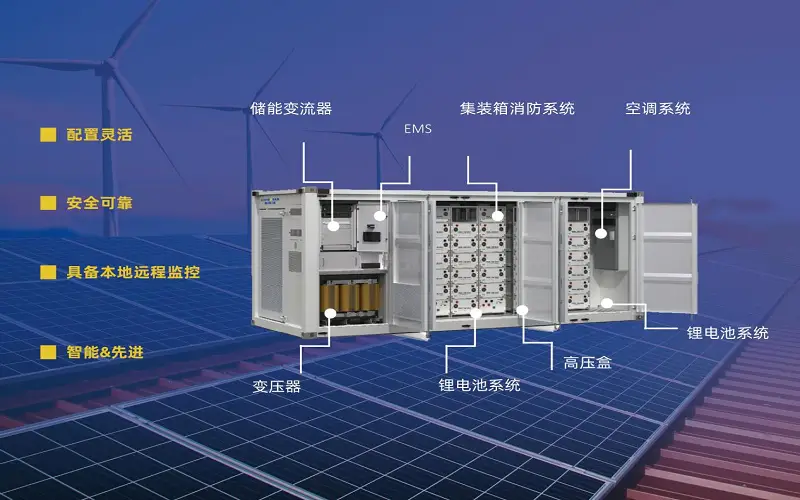
Energy storage system refers to a system that stores excess electrical energy and releases it when needed. Common energy storage technologies include:
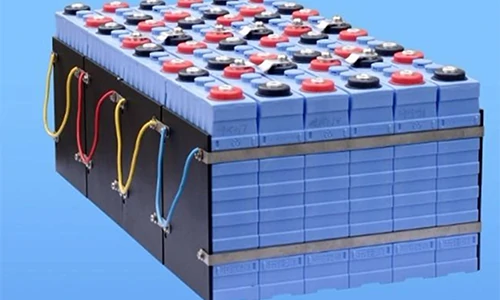
- Battery energy storage system (BESS): stores and releases electrical energy through the charging and discharging process. Common battery types include lithium batteries, sodium sulfur batteries, lead-acid batteries, etc.
- Pumped storage: utilizes the height difference of the water body and uses an electric pump to pump water to the upstream reservoir. When needed, the water flow is released through the turbine generator set to generate electricity.
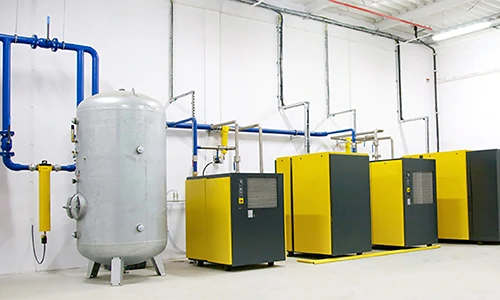
- Compressed air energy storage (CAES): uses low-peak electricity to compress and store air, and releases compressed air to drive the generator set to generate electricity when needed.
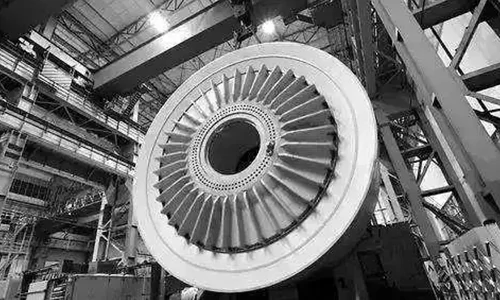
- Flywheel energy storage: converts electrical energy into rotational kinetic energy through an electric motor and stores it, and converts kinetic energy into electrical energy through a generator when needed.
With the continuous advancement of technology, the position of energy storage systems in the power grid is becoming more and more important, especially in dealing with fluctuations in renewable energy and regulating the frequency and voltage of the power grid.
Definition and role of energy transfer artery technology
“Energy transfer artery” refers to the efficient and safe transfer of stored energy from energy storage devices (such as batteries, pumped storage, etc.) to the power grid through advanced technical means in the power system to supply users or equipment that need electricity. This concept involves multiple technical levels, including power transmission, control and scheduling, system stability, etc., with the aim of ensuring that the energy storage system can release energy to the power grid in a short time, in an efficient and stable manner, so as to balance the load of the power grid when needed.
Specifically, the core role of energy transfer artery technology is reflected in the following aspects:
Efficient energy transmission: By optimizing power transmission lines and equipment, the transmission efficiency of electric energy from energy storage units to the power grid is improved, and energy loss is reduced.
Fast response capability: One of the advantages of energy storage systems is the short response time, which can complete the release of energy within a few seconds. The improvement of energy transfer artery technology can further shorten this response time and meet the power grid’s needs for instantaneous load fluctuations.
Intelligent scheduling: With the development of smart grid technology, energy transfer artery technology can be combined with power market and demand-side management for intelligent scheduling to achieve optimal energy allocation.
Grid stability assurance: When faced with large-scale access to volatile energy sources such as wind power and photovoltaics, energy transfer artery technology can help the grid smooth out fluctuations and avoid grid frequency instability.
Key technologies and innovations
The realization of the “energy transmission artery” technology relies on the innovation of multiple key technologies. The following are some of the breakthrough technologies:
High-voltage direct current (HVDC) technology: High-voltage direct current transmission technology can reduce the loss of electric energy when transmitting electric energy over long distances. Combined with energy storage systems, HVDC grids can more efficiently transmit stored electric energy to demand areas, which is particularly suitable for cross-regional and cross-national grid interconnection.
Smart grid and big data analysis: Smart grids make the operation of power grids more flexible and reliable through automated monitoring and dynamic adjustment. Using big data and artificial intelligence technologies, it is possible to accurately predict fluctuations in power demand, optimize the charging and discharging strategies of energy storage systems in real time, and ensure efficient energy transmission.
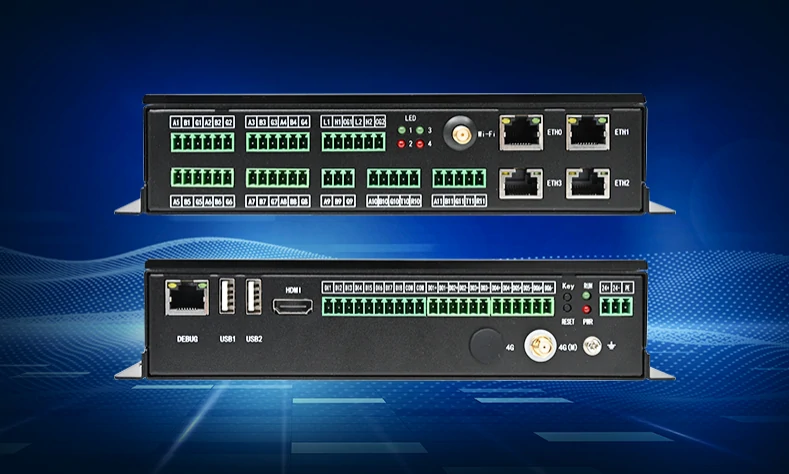
Advanced energy storage equipment and interface technology: In order to improve the power density and charging and discharging efficiency of energy storage systems, modern energy storage technology continues to innovate in battery chemistry, thermal management, charging algorithms, etc. By adopting efficient power electronic devices and optimizing the energy exchange interface between energy storage devices and the power grid, more efficient and safer energy transfer can be achieved.
Dynamic scheduling and load forecasting algorithms: Using advanced load forecasting technology and scheduling algorithms, energy storage systems can be dynamically scheduled according to the real-time load demand of the power grid, making energy transfer more accurate, avoiding overcharging or over-discharging, and ensuring the smooth operation of the power grid.
Challenges of Energy Transfer Artery Technology
Although the “Energy Transfer Artery” technology has brought many innovations, it still faces some challenges in practical applications:
Energy storage cost: At present, the cost of energy storage equipment is high, especially in the deployment of large-scale energy storage systems. Despite the continuous advancement of battery technology, its economic feasibility remains one of the main obstacles to promotion.
System integration and coordination: The coordination problem between energy storage systems and power grids still exists, especially how to quickly and efficiently release the electrical energy in the energy storage system to the power grid without affecting the stability of the power grid.
Adaptability of power grid infrastructure: Existing power grid facilities may not be able to fully adapt to the large-scale access and energy transfer needs of energy storage systems, and the power grid needs to be upgraded and optimized to increase flexibility and capacity.
Prospects and development trends
In the future, with the maturity of energy storage technology and the development of intelligent power grids, energy transmission aorta technology will usher in more innovations and breakthroughs. Here are some possible development trends:
Distributed energy storage and microgrids: With the rise of distributed energy, microgrids and distributed energy storage systems will become the core of future power systems. Through miniaturized energy storage equipment and more flexible energy transmission methods, more accurate and efficient energy distribution can be achieved.
Hydrogen energy storage and transmission technology: As a form of energy storage with great potential, hydrogen is expected to become part of the energy transmission aorta in the future. Hydrogen energy storage and transmission technology will be combined with existing power grid systems and energy storage systems to form a more diversified and efficient energy network.
Inter-regional power grid interconnection and global energy network: Global energy interconnection will enable energy storage systems in various regions to be shared and dispatched globally, thereby more efficiently balancing energy demand and supply.
As an important component of modern power systems, energy storage systems are constantly developing in a more efficient and intelligent direction. The emergence of energy transmission aorta technology has made the role of energy storage systems in power grids more prominent, especially in balancing the fluctuations of renewable energy and ensuring the stability of power grids. With the continuous innovation of technology, energy storage systems will be more efficient, safer and more flexible in the future, making important contributions to global energy transformation and sustainable development.


