
Hydrogen energy converters are indispensable power electronic devices in hydrogen energy systems. Their main function is to convert direct current (DC) generated by hydrogen fuel cells or hydrogen energy storage systems (such as hydrogen energy storage batteries) into alternating current (AC) to provide power for power grids, industrial loads, commercial applications or household electricity. In addition, hydrogen energy converters can also work together in a variety of application scenarios to improve energy efficiency, optimize power output, and ensure system stability and safety.
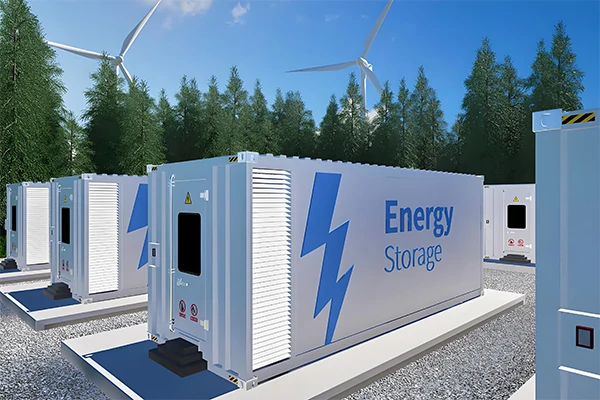
Basic composition and working principle of hydrogen energy converter
The working principle of hydrogen energy converter mainly includes the following core components and processes:
- Fuel Cell (FC):
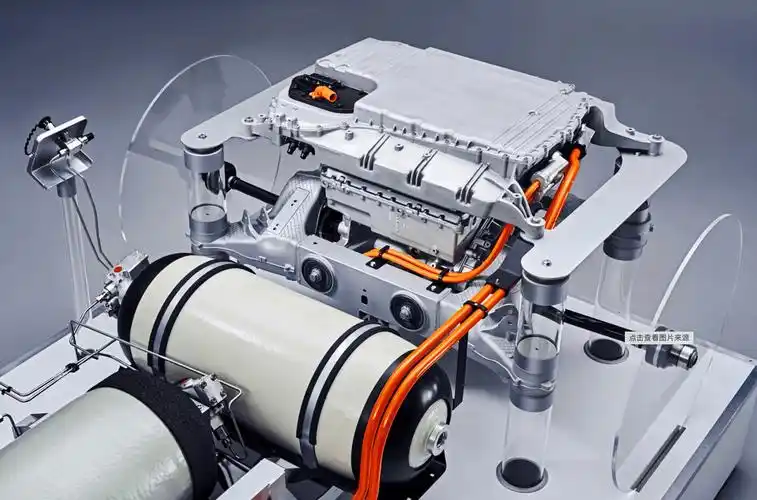
Hydrogen fuel cell is the core device of hydrogen energy system, which converts hydrogen and oxygen into electricity, heat and water through chemical reaction.
The electric energy output by fuel cell is direct current (DC), but many applications require alternating current (AC), so it needs to be converted through converter. - Inverter:
The inverter is the core component of hydrogen energy converter, which is responsible for converting direct current (DC) into alternating current (AC).
In this process, the inverter adjusts the current waveform and frequency to ensure that the output AC meets the requirements of the power grid or load.
Modern inverters use efficient control technologies, such as pulse width modulation (PWM) technology, which can accurately control the amplitude and frequency of the output current, reduce harmonic distortion and improve the quality of power. - Filter and control circuit:
In order to ensure that the AC output of the converter is smooth and meets the requirements of the power grid, filters (such as LC filters) are usually required to reduce high-frequency noise and electromagnetic interference.
The control circuit is responsible for managing the working status of the inverter, the stability of power output, temperature monitoring, overload protection and other functions
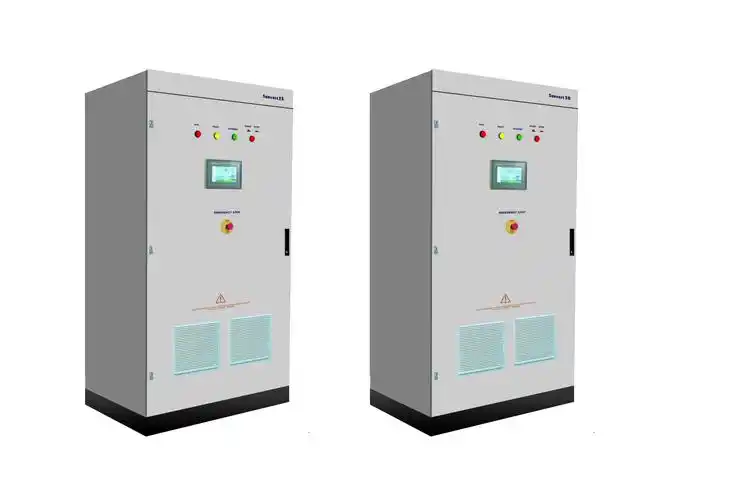
- Grid connection and synchronization mechanism:
In the application scenario of grid connection, the hydrogen energy converter also needs to have grid synchronization function. This means that the converter must be able to synchronize with the voltage, frequency and phase of the grid to ensure that there is no adverse impact on the grid.
Some converters also support power factor correction (PFC) to ensure that the efficiency of electricity is maximized during transmission. - Energy management system:
Hydrogen energy converters are usually combined with energy management systems (EMS) to provide real-time power scheduling, load forecasting, fault monitoring and other functions. EMS can coordinate the management of batteries, loads and other energy equipment in the hydrogen energy system to improve the efficiency and stability of the entire system.
Application scenarios of hydrogen energy converters
The application scenarios of hydrogen energy converters are wide, mainly including the following categories:
- Distributed power generation connected to the power grid:
In distributed energy systems, hydrogen energy converters can convert the direct current generated by hydrogen fuel cells into alternating current and supply power to the power grid or industrial and commercial users. It is an important bridge connecting hydrogen energy and the power grid. - Microgrid system and off-grid power supply:
In remote areas without power grid coverage, hydrogen energy converters can be used together with hydrogen fuel cells to build microgrid or off-grid power supply systems to provide reliable power support. As an independent power source, hydrogen fuel cells convert electricity through converters to meet the electricity needs of local users. - Integrated energy system combining renewable energy and hydrogen energy:
In renewable energy power generation systems such as solar energy and wind energy, hydrogen energy converters can be used as an important part of power conversion and storage. By converting renewable energy into hydrogen storage and then providing a stable power supply through hydrogen fuel cells, efficient energy utilization and scheduling can be achieved. - Hydrogen electric vehicle charging station:
With the promotion of hydrogen energy vehicles, hydrogen energy converters can play a role in hydrogen filling stations. The electricity generated by hydrogen fuel cells can be converted by inverters to provide power support for electric vehicle charging stations.
Key technical features of hydrogen energy converters
- High-efficiency conversion:
Hydrogen energy converters need to be able to achieve efficient conversion from DC to AC. Through efficient semiconductor devices (such as IGBT, MOSFET, SiC, GaN, etc.) and advanced control technology, energy loss can be reduced and the overall efficiency of the system can be improved. - High power density and miniaturization:
In order to meet the needs of different applications, hydrogen energy converters need to have the characteristics of high power density while minimizing volume and weight. Especially in the fields of electric vehicles and portable applications, miniaturization is an important design goal. - Multi-function integration:
In addition to the traditional DC to AC conversion function, modern hydrogen energy converters also integrate more functions, such as power factor correction (PFC), overload protection, temperature control, fault detection and diagnosis, etc., to ensure the safety and reliability of the system. - Adaptable grid compatibility:
In a system connected to the grid, the hydrogen energy converter must have good grid compatibility, be able to achieve efficient synchronous operation with the grid, and be able to respond quickly when the grid fluctuates to protect the stability of the hydrogen energy system and the grid. - Intelligent control and monitoring:
With the development of Internet of Things (IoT) technology, hydrogen energy converters are increasingly using intelligent control systems that can monitor the system status in real time and optimize energy output based on factors such as grid load and weather conditions.
Challenges and future development of hydrogen energy converters
Although hydrogen energy converters have shown great potential in both technology and the market, they still face some challenges in the development process:
- High cost:
The cost of hydrogen fuel cells and their supporting equipment is relatively high, which directly affects the market penetration of hydrogen energy converters. With technological progress and large-scale production, the cost is expected to gradually decrease. - Energy efficiency and stability:
Hydrogen energy converters need to maintain efficient and stable operation under different working environments and load conditions, especially under high power and high load conditions. How to improve their energy efficiency and stability is still a technical problem. - System integration and coordination:
Hydrogen energy converters not only need to work with fuel cells, but also need to be seamlessly integrated with power grids, energy storage systems, loads, etc. How to achieve efficient multi-device coordination is a major challenge in system design.
Conclusion
Hydrogen energy converter is a crucial component in hydrogen energy system. It can not only realize power conversion, but also ensure the quality and stability of power output. With the continuous advancement of hydrogen energy technology and the increase in demand for renewable energy, hydrogen energy converter will play a greater role in the future energy system, especially in the fields of distributed power generation, microgrid system, green transportation, etc. that combine renewable energy and hydrogen energy.


